Kyoto's Hidden Alleyways: The Living Philosophy of Wabi-Sabi
Walking the quiet stone streets of Nishijin and Kamigamo to understand Japanese spatial harmony.
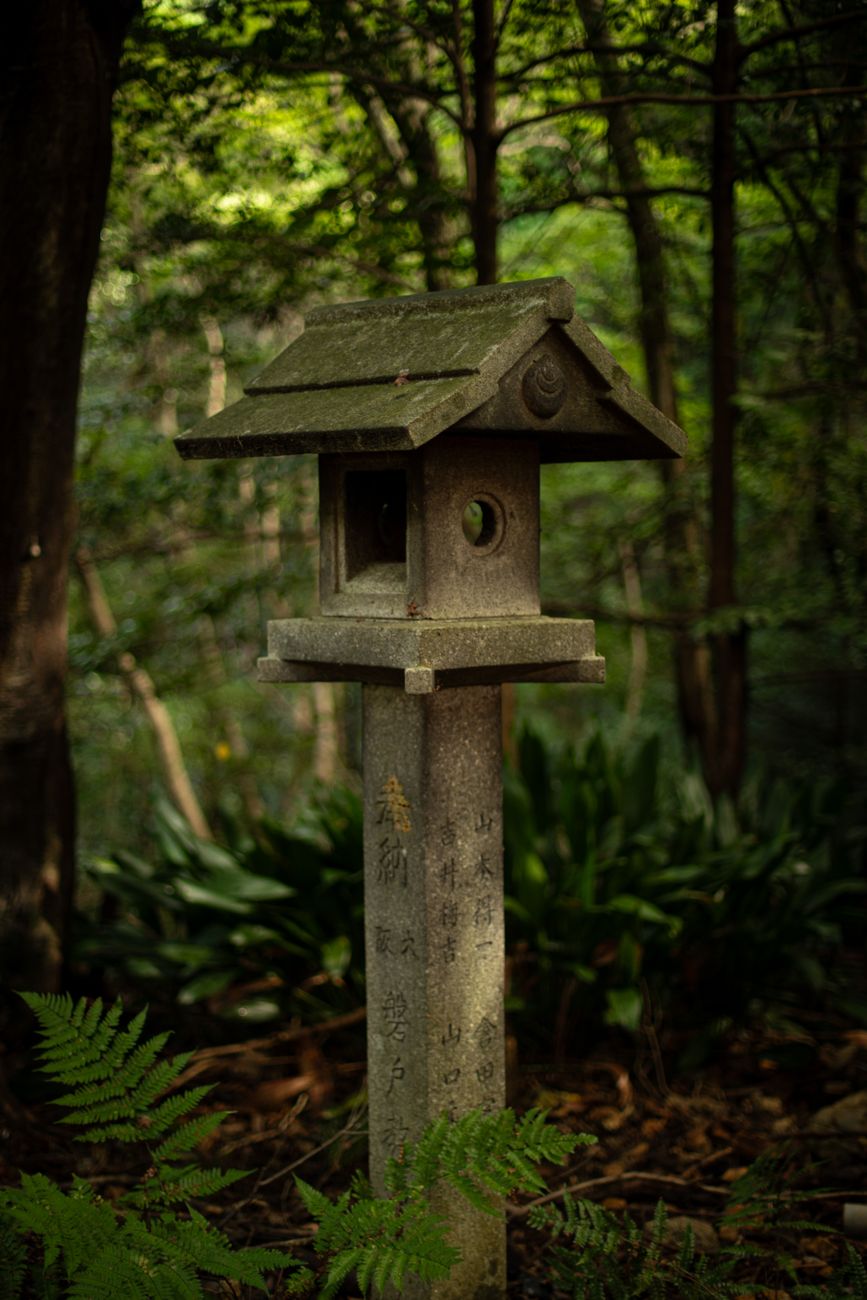
In Kyoto, true beauty does not shout; it whispers behind dark-stained cedar lattices known as kōshi. Away from the crowded tour bus routes of eastern temples, the historic weaving district of Nishijin preserves the slow cadence of traditional artisans.
To step into a restored century-old machiya townhouse is to enter an acoustic sanctuary. The noise of traffic dissolves, replaced by the soft drip of water over a stone basin in the tsuboniwa (interior courtyard garden). Here, light is not an abundance to be flaunted, but a precious gift filtered through translucent washi paper screens.
"Wabi-sabi acknowledges that all things are imperfect, impermanent, and incomplete. The crack in the glazed tea bowl is where the story lives." — Editorial Field Notes
The Rhythm of Mindful Hospitality
Our days begin at sunrise with a bowl of stone-ground matcha prepared by an eighth-generation tea master. Every movement — the folding of the silk cloth, the temperature of the boiling kettle — reflects decades of practiced mindfulness.
Staying in an authentic ryokan teaches the modern traveler how little is actually needed for contentment. A clean tatami mat, a single seasonal flower in a modest ceramic vase, and the quiet dignity of human connection.
- Preserving traditional clay-and-straw plaster walls that naturally regulate humidity.
- Daily seasonal kaiseki meals honoring the concept of shun (peak seasonal ingredient timing).
- Silent morning walks through the forested foothills of Takagamine.
Preserving Kyoto's Living Memory
By prioritizing independently managed heritage lodgings, mindful travelers provide direct economic support for traditional carpenters, tatami weavers, and screen mounters whose craft spans centuries.
111111 Field Editorial
Reported on site by Cultural Correspondent Naomi Chen