The Silence of the Dolomites: Living in High Altitude Sanctuaries
An inquiry into timber architectural minimalism and pastoral quietude across northern Italy's limestone peaks.
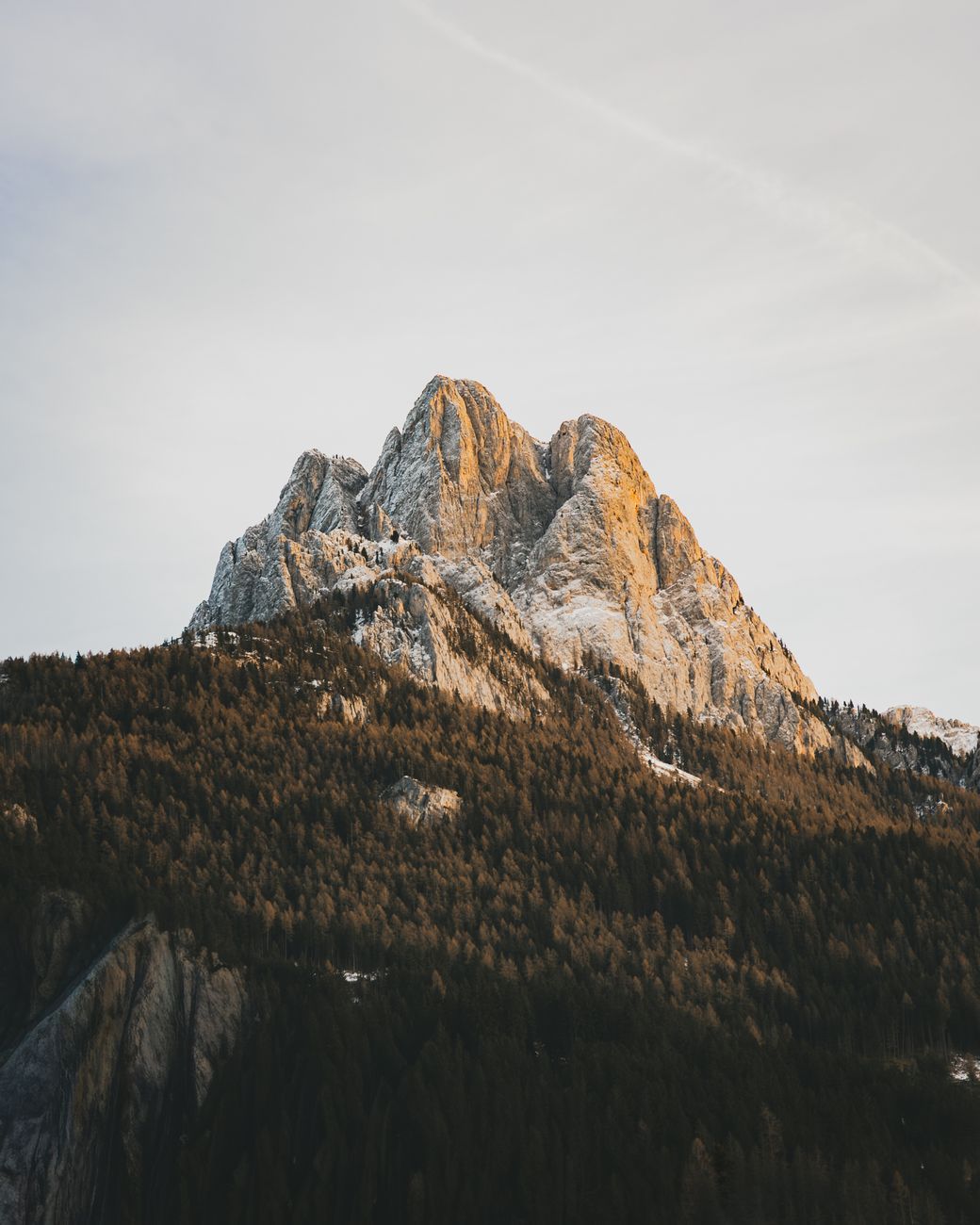
At an elevation of 2,100 meters above the Val Gardena, morning does not begin with an alarm. It announces itself as pale amber sunlight touching the vertical face of the Sassolungo, tinting rough dolomitic rock with an almost supernatural coral glow.
For centuries, these high mountain passes were strictly the domain of alpine herders and hardy timber haulers. Today, an intentional architectural renaissance has swept across South Tyrol. Architects born in these valleys have abandoned imitation Swiss chalets in favor of contemporary, low-slung structures built entirely from native larch, Swiss pine, and local porphyry stone.
"When you construct a shelter on the edge of a precipice, the architecture must bow its head to the mountain, never contest it." — Editorial Field Notes
Architecture as an Instrument of Quietude
In our chosen sanctuary, there are no televisions, no decorative clutter, and no unnecessary synthetic finishes. Floor-to-ceiling triple-glazed timber frames bring the jagged landscape directly into the living quarters, turning the weather outside into a moving, living fresco.
The aroma of untreated pinus cembra (stone pine) fills the suites. Alpine scientific studies confirm that this wood lowers the resting heart rate of occupants, inducing deep, restorative slumber after hours spent hiking limestone paths.
- Sustainable geothermal heating drawing warmth from deep subterranean bedrock.
- Seasonal cuisine sourced exclusively within a 25-kilometer radius from high alpine dairy cooperatives.
- Dark-sky compliance ensuring unobstructed views of the Milky Way at night.
The Ritual of Mountain Gastronomy
Dinner here is an unhurried, multi-hour meditation. Speck cured with juniper berries, mountain rye bread baked in 300-year-old stone ovens, and foraged wild herbs gathered from the scree slopes above 2,000 meters. There is no urgency. Each dish tells the story of human survival in a rugged climate.
111111 Field Editorial
Reported on site by Senior Geographic Editor Julian Vance